Here and Now: Benefits of Focusing on the Present through Gestalt Therapy
- Todd Hairston
- 2 days ago
- 3 min read
Updated: 18 hours ago
Mental health counseling offers many approaches to help individuals understand themselves and improve their well-being. Many approaches prioritize exploring the past and how our early experiences have impacted our lives. One effective method that takes a different approach, however, is Gestalt therapy, which focuses on awareness and experiences in the present moment. This approach encourages clients to explore their feelings and behaviors in a holistic way, leading to deeper self-understanding and growth. This post explores the core principles of Gestalt therapy and how it is applied in mental health counseling.
Understanding Gestalt Therapy Principles
Gestalt therapy emerged in the mid-20th century as a humanistic approach to psychotherapy. It emphasizes the whole person rather than isolated symptoms or problems. Here are some key principles:
Here and Now Awareness
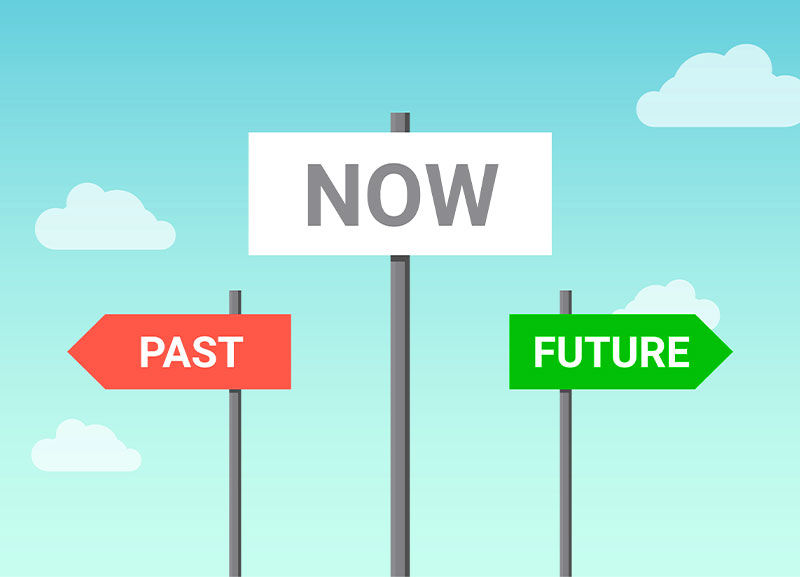
Gestalt therapy stands out among therapeutic approaches for its strong focus on the present moment. Clients are encouraged to focus on their current thoughts, feelings, and sensations instead of dwelling on the past or worrying about the future. This emphasis on the here and now helps individuals connect deeply with their current experience, fostering awareness and growth.
Holism
The approach views individuals as integrated beings where mind, body, emotions, and environment interact. Therapists help clients see how these parts connect and influence their experiences.
Contact and Relationship
Meaningful contact with oneself, others, and the environment is essential. Gestalt therapy highlights the importance of authentic relationships and communication in healing.
Responsibility and Choice
Clients are supported in recognizing their role in creating their experiences and encouraged to take responsibility for their choices. This empowers them to change unhelpful patterns.
Unfinished Business
Past experiences that remain unresolved can affect present functioning. Gestalt therapy helps clients identify and work through these issues to find closure.
How Gestalt Therapy Works in Counseling
Gestalt therapy uses experiential techniques that engage clients actively in the therapeutic process. Instead of just talking about problems, clients participate in exercises that bring awareness to their feelings and behaviors. Some common methods include:
Empty Chair Technique
Clients imagine a person or part of themselves in an empty chair and have a dialogue with it. This helps express emotions and gain new perspectives.
Body Awareness
Therapists guide clients to notice bodily sensations and movements, linking physical experience to emotions and thoughts.
Role Play
Acting out situations or conflicts allows clients to explore different viewpoints and practice new responses.
Dream Work
Dreams are seen as messages from the unconscious. Clients describe their dreams and explore their meaning through active imagination.
These techniques promote self-discovery and help clients integrate conflicting parts of themselves.
Applications in Mental Health Counseling
Gestalt therapy is versatile and can address a wide range of mental health concerns. Here are some examples of its applications:
Anxiety and Stress
By focusing on the present moment and bodily sensations, clients learn to recognize early signs of anxiety and develop grounding techniques to manage stress.
Depression
Gestalt therapy encourages clients to reconnect with their feelings and needs, breaking through numbness or avoidance that often accompany depression.
Relationship Issues
The emphasis on authentic contact helps clients improve communication and boundaries in personal relationships.
Trauma Recovery
Gestalt therapy supports clients in safely exploring traumatic memories and emotions, promoting integration and healing.
Self-Esteem and Identity
Clients gain insight into their self-concept and patterns, fostering greater self-acceptance and confidence.
Practical Example of Gestalt Therapy in Action
Consider a client struggling with social anxiety. In a Gestalt session, the therapist might use the empty chair technique to help the client express fears about social situations. The client might role-play a conversation they fear, noticing physical sensations like tightness in the chest or shallow breathing. The therapist guides the client to stay present with these sensations and explore what they mean. Over time, the client becomes more aware of their automatic reactions and learns to respond with greater calm and confidence.
Final Thoughts
Gestalt therapy offers a powerful way to support mental health by focusing on present awareness, holistic experience, and authentic contact. Present moment awareness does not mean ignoring the past or future. Rather, it involves acknowledging these aspects without letting them dominate the current experience. This balance helps clients integrate their whole story while staying grounded in the present. The practical techniques of Gestalt therapy help clients uncover and resolve unfinished business, improve relationships, and build self-understanding. Mental health counselors can use Gestalt therapy to address anxiety, depression and trauma, guiding clients toward meaningful change.
Music Behind the Message
This silky smooth offering was one of the Velvet Voice's seven #1 singles, and the first to earn him a Grammy award. An interesting side note, Cissy Houston, the mother of Whitney Houston, sang background vocals on the track. Click below to hear the song that provided inspiration for this blog.
Here and Now- Luther Vandross (1989)


Comments